/filters:format(jpeg,png)/fit-in/300x300/guide_websites/122594/images/1777344574312logo.jpg)
/filters:format(jpeg,png)/fit-in/237x80/guide_websites/122594/images/1777344574312logo.jpg)
/users/d4d883eb-1883-4138-9c4c-e9e73c12427e/ratecard/7-mnfntjfl.jpg)
%2F300x300%2Fusers%2Fd4d883eb-1883-4138-9c4c-e9e73c12427e%2Fratecard%2F7-mnfntjfl.jpg&w=256&q=75)
%2F300x300%2Fusers%2Fd4d883eb-1883-4138-9c4c-e9e73c12427e%2Fimages%2Flittle-tunny-fort-walton-beach-2701.jpg&w=256&q=75)
%2F300x300%2Fusers%2Fd4d883eb-1883-4138-9c4c-e9e73c12427e%2Fimages%2Fred-snapper-fort-walton-beach-2394.jpg&w=256&q=75)
%2F300x300%2Fusers%2Fd4d883eb-1883-4138-9c4c-e9e73c12427e%2Fimages%2Fred-snapper-fort-walton-beach-2700.jpg&w=256&q=75)
%2F300x300%2Fusers%2Fd4d883eb-1883-4138-9c4c-e9e73c12427e%2Fimages%2Ffort-walton-beach-wahoo-catch-2451.jpg&w=256&q=75)
%2F300x300%2Fusers%2Fd4d883eb-1883-4138-9c4c-e9e73c12427e%2Fimages%2Ffort-walton-beach-fishing-charter-2560.jpg&w=256&q=75)
%2F300x300%2Fusers%2Fd4d883eb-1883-4138-9c4c-e9e73c12427e%2Fimages%2Ffort-walton-beach-cobia-catch-2717.jpg&w=256&q=75)
%2F300x300%2Fusers%2Fd4d883eb-1883-4138-9c4c-e9e73c12427e%2Fimages%2Ffort-walton-beach-red-snapper-2764.jpg&w=256&q=75)
%2F300x300%2Fusers%2Fd4d883eb-1883-4138-9c4c-e9e73c12427e%2Fimages%2Ffort-walton-wahoo-red-snapper-2757.jpg&w=256&q=75)
%2F300x300%2Fusers%2Fd4d883eb-1883-4138-9c4c-e9e73c12427e%2Fimages%2Ffort-walton-blackfin-tuna-fishing-2745.jpg&w=256&q=75)
%2F300x300%2Fusers%2Fd4d883eb-1883-4138-9c4c-e9e73c12427e%2Fimages%2Ffort-walton-little-tunny-fishing-2699.jpg&w=256&q=75)
12Hr Deep Sea Charter Full Bend Fort Walton
 Fort Walton Beach
What you will be catching:
 Cobia
Cobia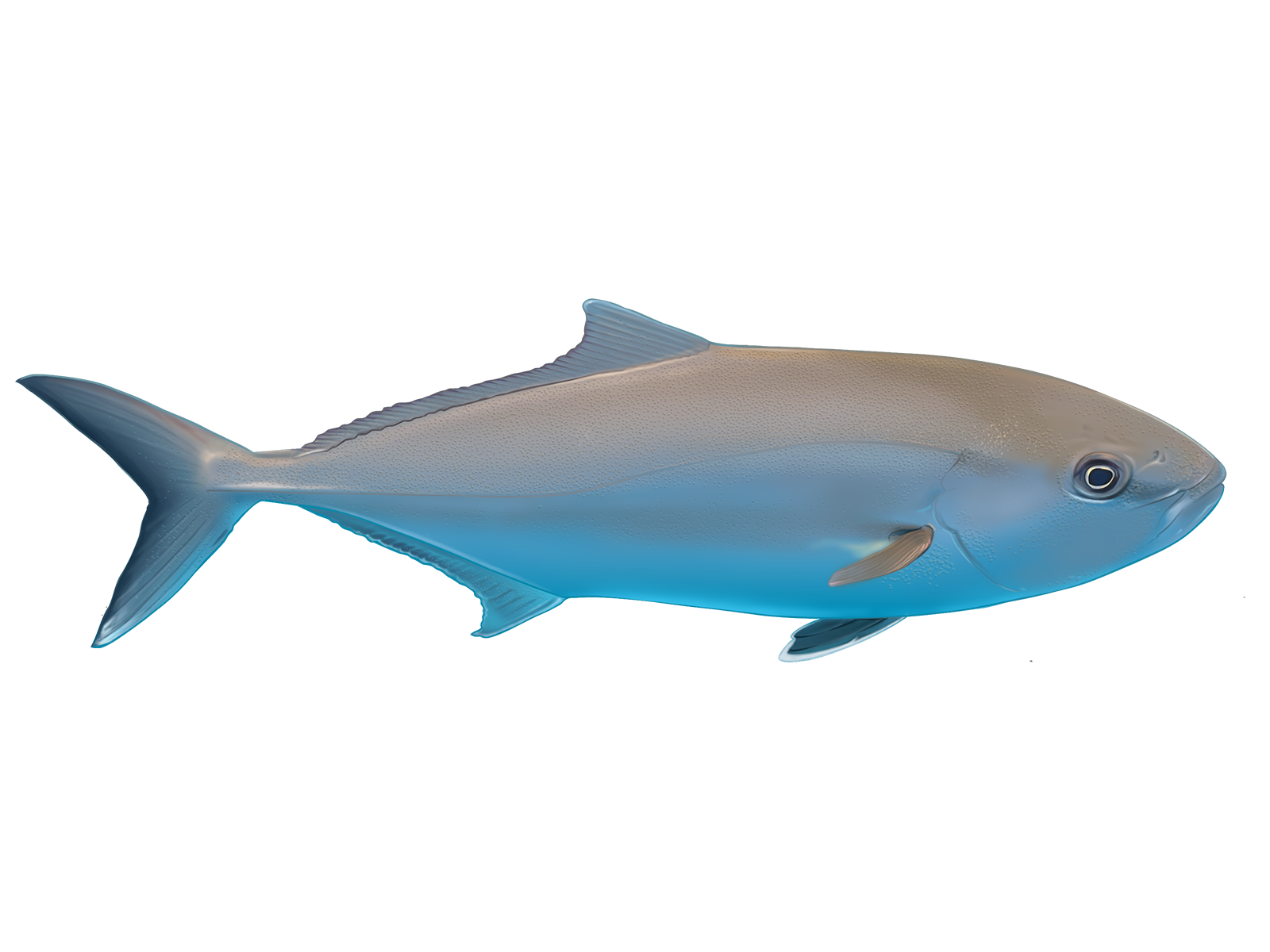 Greater Amberjack
 King Mackerel
 Mahi Mahi or Common Dolphinfish
 Red Snapper
- 12-hour Gulf charter accommodates up to 6 anglers targeting multiple species
- Professional crew provides all equipment and adapts to optimal fishing locations
- $2,400 total cost available Monday, Friday, Saturday, and Sunday schedules
Trip Pricing and Availabilities:
12 Hour Deep Sea Charter Fort Walton Beach
Want to fish the Gulf's deeper waters where the big fish live? This 12-hour deep sea charter out of Fort Walton Beach gives you serious time on the water to chase everything from hard-fighting amberjack to lightning-fast wahoo. We're talking about a full day trip that takes you way beyond the nearshore spots, out to where the water turns that deep blue and the fish get bigger. With room for up to 6 anglers, this charter runs Monday, Friday, Saturday, and Sunday – perfect for groups looking to make the most of their Gulf Coast fishing adventure. At $2400 for your crew, you're getting a world-class offshore experience that serious anglers dream about.
What to Expect on the Water
This isn't your typical half-day trip where you're just getting started when it's time to head back. Twelve hours gives us the freedom to run out to the deep stuff – we're talking 100+ feet of water where the bottom structure holds snapper and grouper, and the open water columns are loaded with pelagics. The extended time means we can hit multiple spots throughout the day, adjusting our game plan based on what's biting and where the action is hottest. Early morning might find us trolling for kings and mahi, then we'll drop down on some productive bottom structure for snapper and grouper during the midday bite. As conditions change, we stay flexible – that's the beauty of having all day to work with. You'll get to experience both sides of offshore fishing: the high-speed excitement of trolling and the methodical approach of bottom fishing. The longer trip also means we can run farther offshore to spots that day boats rarely reach, giving you a shot at species like snowy grouper and big tunas that live in the deeper Gulf waters.
Trolling and Bottom Techniques
We'll be running a mix of offshore trolling and precision bottom fishing to maximize your chances at different species. When we're trolling, we'll have multiple lines out at varying depths – some running surface baits for kings and mahi, others pulling deeper for wahoo and tuna. The trolling spread includes everything from live bait to high-speed lures, each designed to trigger strikes from different predators. For bottom fishing, we're talking about dropping baits down to structure in 80-200 feet of water where snapper, grouper, and amberjack stack up. All your rods, reels, bait, and tackle are provided – we're set up with heavy conventional reels for the deep drops and lighter spinning gear for when the bite calls for finesse. The boat carries everything from circle hooks for the bottom fish to wire leaders for the toothy critters. GPS marks years in the making guide us to productive ledges, wrecks, and natural bottom where fish concentrate. Your captain reads the conditions all day long, switching techniques and locations to keep you on fish.
Species You'll Want to Hook
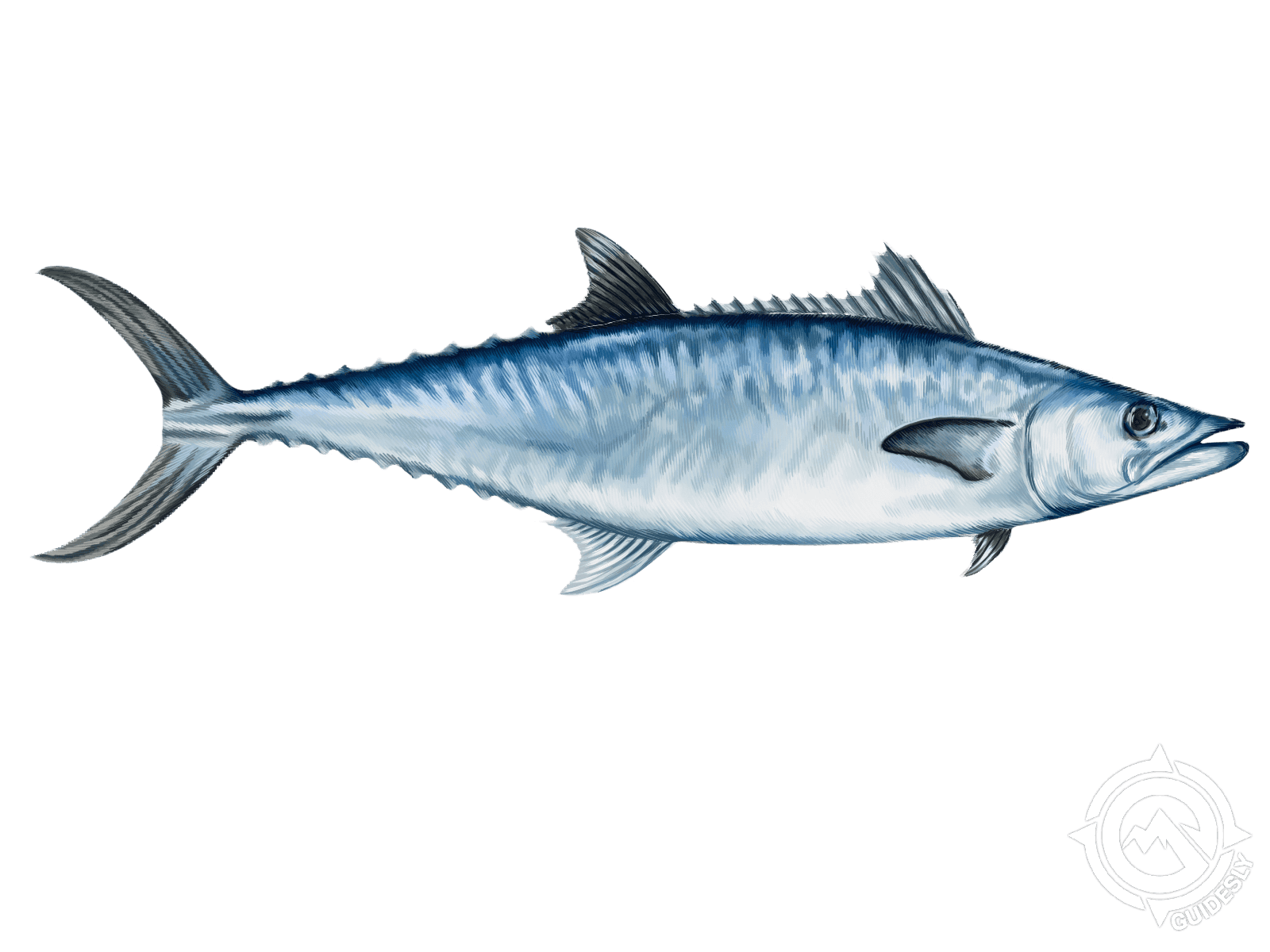
King Mackerel are Fort Walton Beach legends, and for good reason. These silver bullets can stretch 30+ pounds and make blistering runs that'll test your drag system. Spring through fall brings the best king fishing, with the bigger fish showing up during cooler months. They hit hard and fast on trolled baits, often jumping clear of the water in spectacular fashion. What makes kings so exciting is their unpredictability – one minute you're casually trolling, the next you're hanging on for dear life as 25 pounds of pure muscle screams line off your reel.
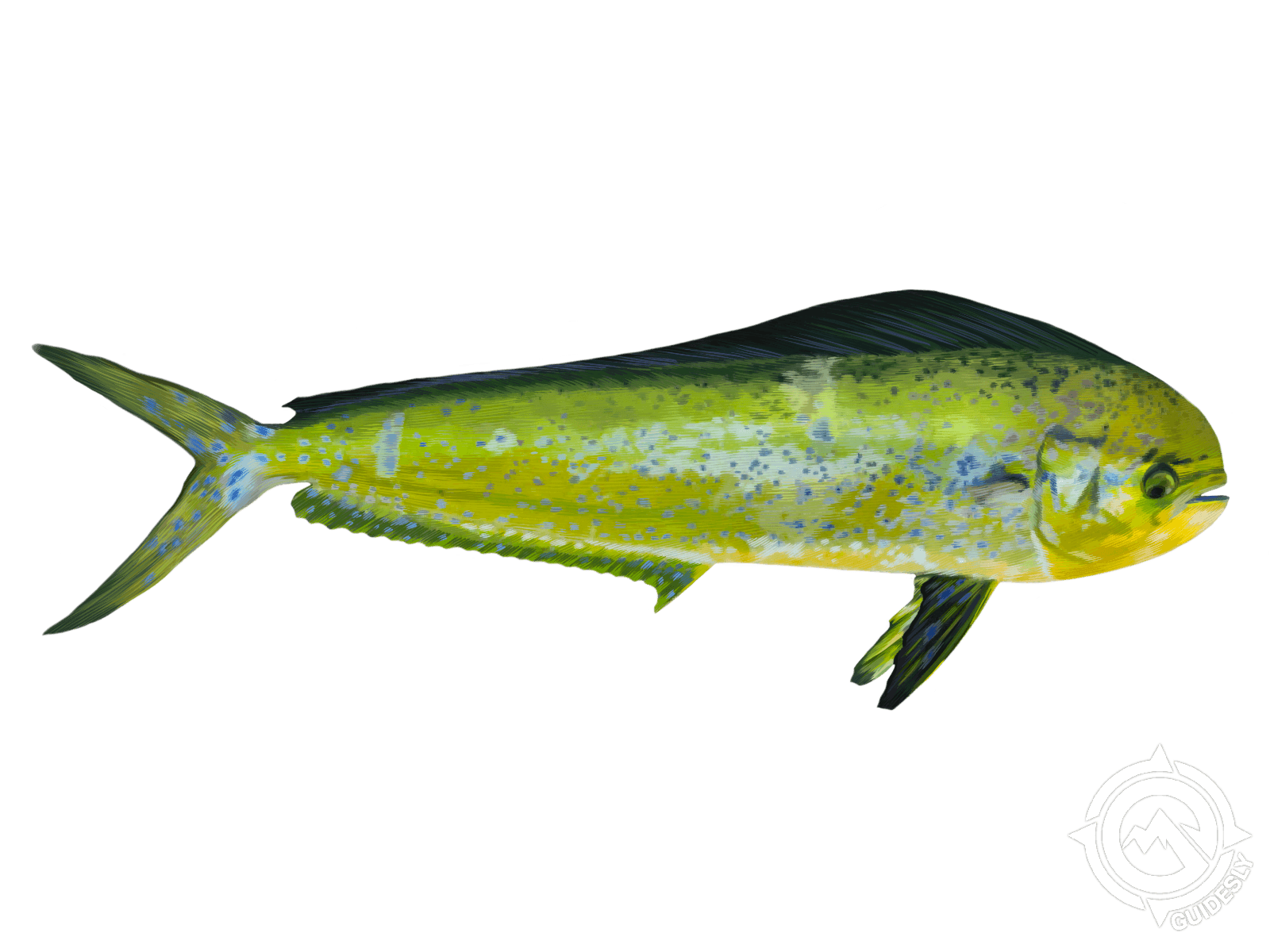
Mahi Mahi bring the color and acrobatics that make offshore fishing special. These electric green and gold fish are absolute aerial artists, jumping repeatedly when hooked. Most mahi here run 10-20 pounds, but bulls can push 40+ and provide serious fights. Summer months are prime time, especially around floating debris or weed lines. They're aggressive feeders that often travel in schools, so when you find one, there's usually more nearby. Mahi are also table fare champions – their white, flaky meat makes for some of the best eating in the Gulf.
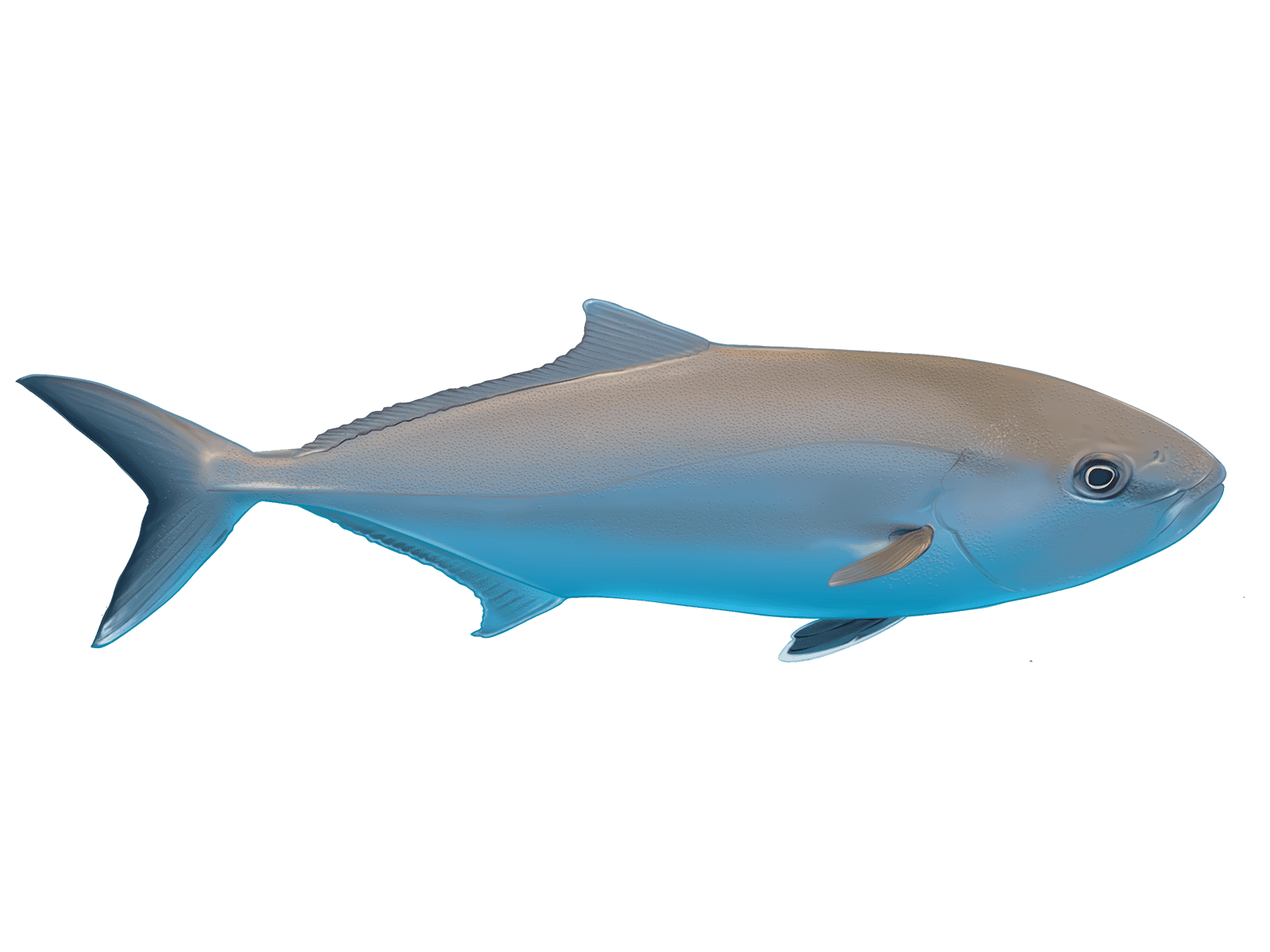
Greater Amberjack are the bruisers of the bottom fishing world. These reef residents can exceed 50 pounds and fight like they're twice that size. AJs are structure-oriented fish that live around wrecks, ledges, and hard bottom in 60+ feet of water. They're year-round residents, but spring and summer offer the most consistent action. When you hook an amberjack, get ready for a bulldogging fight straight down – they use their broad sides and powerful tails to maximum advantage. Landing a big amber on light tackle is one of the most satisfying accomplishments in Gulf fishing.
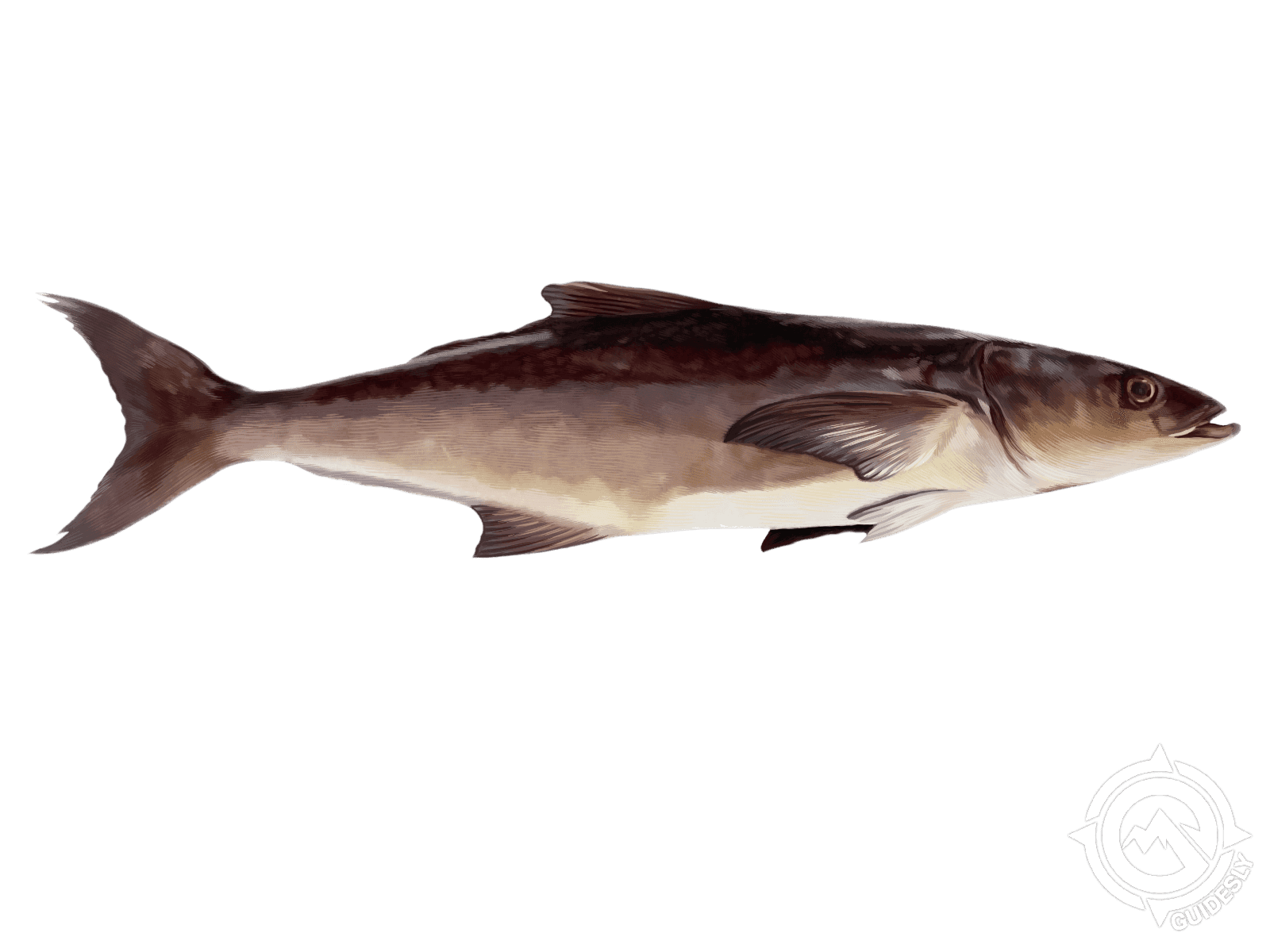
Cobia are the wildcards of offshore fishing. These brown sharks look-alikes can show up anywhere from shallow reefs to deep water, often swimming solo or in small groups. They're curious fish that will sometimes follow the boat, giving you sight-fishing opportunities. Cobia average 20-40 pounds but can exceed 50, and they're phenomenal table fare. Spring brings the best cobia fishing as they move inshore to spawn, but they're possible year-round in deeper waters. Their powerful runs and stubborn fights make them favorites among serious anglers.
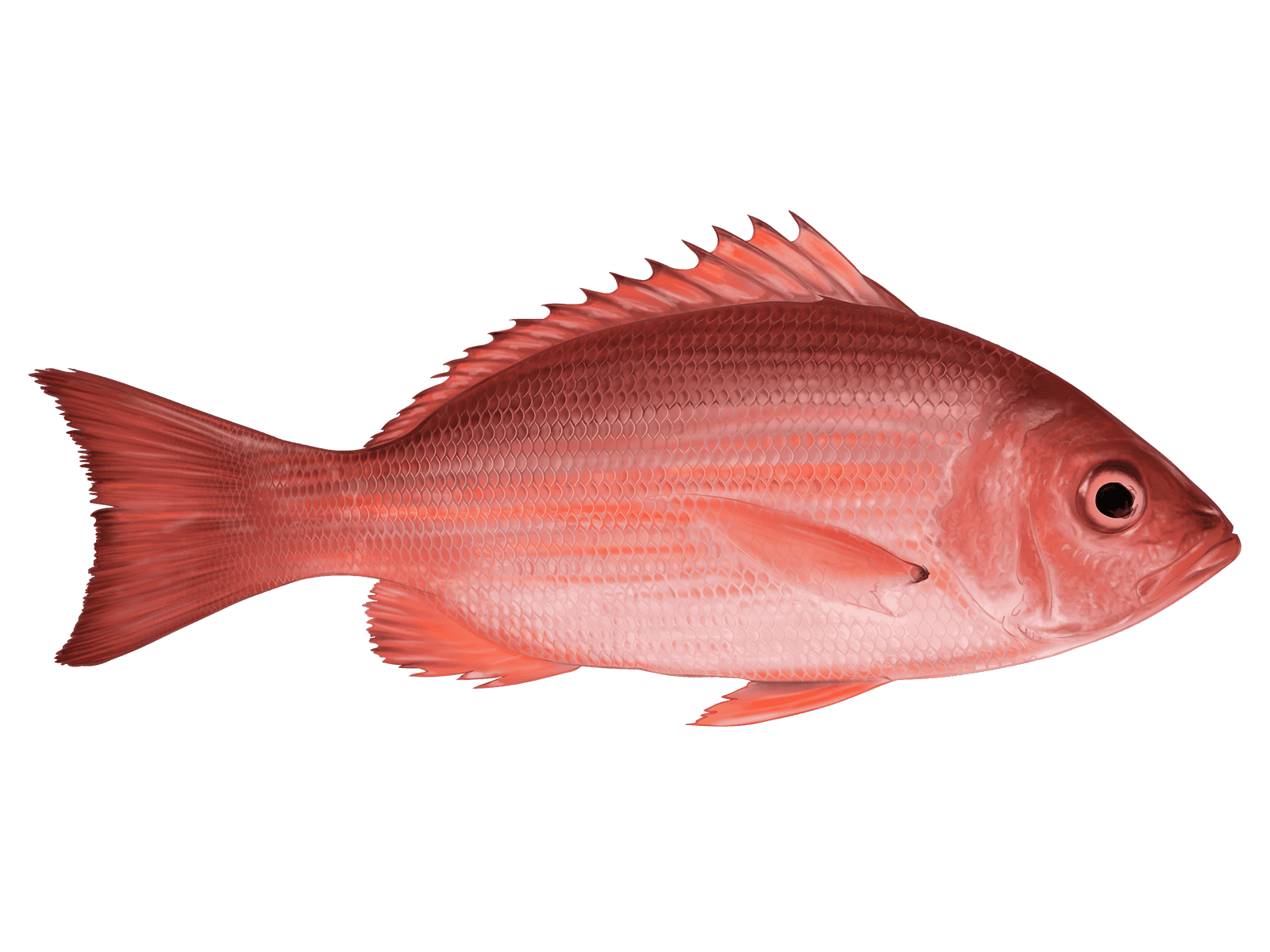
Red Snapper remain the crown jewel of Gulf bottom fishing. These crimson-colored fighters are both beautiful and delicious, making them the most sought-after bottom fish. Reds are structure-oriented and typically found in 40+ feet of water around reefs, wrecks, and hard bottom. They're incredibly line-shy and require precise presentations, making every keeper a real achievement. During open seasons, the bite can be fast and furious, with multiple hookups common on prime spots. Their firm white meat and sweet flavor make red snapper the ultimate reward for a successful bottom fishing trip.
Time to Book Your Spot
A 12-hour deep sea charter is serious Gulf fishing at its finest. You're getting access to offshore waters that hold the Gulf's most prized species
Learn more about the species
Cobia
Cobia are the brown sharks that aren't sharks - these unique fish cruise alone in 30-70 feet, often near structures or floating debris. They average 20-40 pounds but can push 100. Dark brown with lighter bellies, they're curious fish that will follow your boat. Spring through early summer is peak season, especially during their spawning migration. What makes cobia special is they're sight fishing targets - you'll actually see them swimming near the surface. The meat's white, firm, and some of the best eating in the Gulf. Here's the trick: when you spot one, cast past it and retrieve your lure or bait back toward the fish. They're followers, so let them catch up to your offering rather than dropping it right on their head.
Greater Amberjack
Amberjack are the bulldozers of the Gulf, typically running 30-50 pounds of pure muscle. These bruisers live around deep structures - wrecks, rigs, and hard bottom in 60-200 feet. They've got that distinctive amber stripe and will test your tackle to the limit. Best fishing is spring through fall, especially around their April spawning season. What makes jacks special is the fight - they'll pull straight down toward structure, trying to cut you off. The meat's firm and white when prepared right. Pro tip: when you hook one, tighten your drag immediately and pump hard to get them away from the structure. If you let them get their head down and run to the bottom, you'll likely lose them to the wreck.
King Mackerel
King Mackerel are some of the fastest fish in the Gulf, averaging 30 pounds with the big ones pushing 90. You'll find them trolling around 40-150 feet, often following bait schools. They're olive-colored with razor-sharp teeth, so we always use wire leaders. Spring through fall gives you the best action when they're actively feeding. What makes kings special is their speed - when one hits your lure, it'll scream line off the reel in seconds. The meat's rich and flaky, perfect for grilling. Local trick: when trolling, keep your baits skipping on the surface - kings love to attack from below and that splash triggers their strike instinct. These fish don't mess around once hooked.
Mahi Mahi or Common Dolphinfish
Mahi are the rainbow fighters of deep water, flashing gold and green when they come up. Most run 15-30 pounds, though we've seen some push 50. They love floating debris, weed lines, and current breaks in blue water. Spring through early fall is prime time when water temps hit the 70s. What guests love about mahi is the aerial show - they'll jump and tailwalk when hooked, putting on a real spectacle. The meat's firm and mild, great for the dinner table. Here's a tip: when you hook one, leave it in the water for a bit. Mahi are schooling fish, and that hooked fish will often keep the others around so you can get multiple hookups before landing the first one.
Red Snapper
Red Snapper are the gold standard of Gulf bottom fishing, typically running 3-8 pounds with occasional 20-pounders. These bright red fighters live on hard bottom, wrecks, and reefs in 60-300 feet. The season usually opens in summer, and timing matters since regulations are strict. What guests love is the strong fight and excellent table fare - sweet, white meat that's hard to beat. They're smart fish that will test your patience. The trick with snapper is getting your bait to the bottom quickly before other fish grab it. Use a heavy sinker, sharp circle hooks, and fresh bait like squid or cigar minnows. When you feel that tap-tap-tap, resist setting the hook hard - let the circle hook do its job.
About the Full Bend Charters
%2F%2Fusers%2Fd4d883eb-1883-4138-9c4c-e9e73c12427e%2Fvehicle_picture%2F506085345_691110700293875_88022722407716173_n-picsart-aiimageenhancer-mnfls80i.jpg&w=1920&q=75)
Vehicle Guest Capacity: 6
Manufacturer Name: Cummins
Maximum Cruising Speed: 21
Number of Engines: 2
Horsepower per Engine: 210