/filters:format(jpeg,png)/fit-in/300x300/guide_websites/122594/images/1777344574312logo.jpg)
/filters:format(jpeg,png)/fit-in/237x80/guide_websites/122594/images/1777344574312logo.jpg)
Red Snapper and Amberjack Caught in Fort Walton Beach
Gulf Offshore Fishing in Fort Walton Beach - What to Expect
%2F%2Fusers%2Fd4d883eb-1883-4138-9c4c-e9e73c12427e%2Fimages%2Fred-snapper-greater-amberjack-catch-2625.jpg&w=1920&q=75)
Fishing Charter by Captain Eric Von Zapf in April
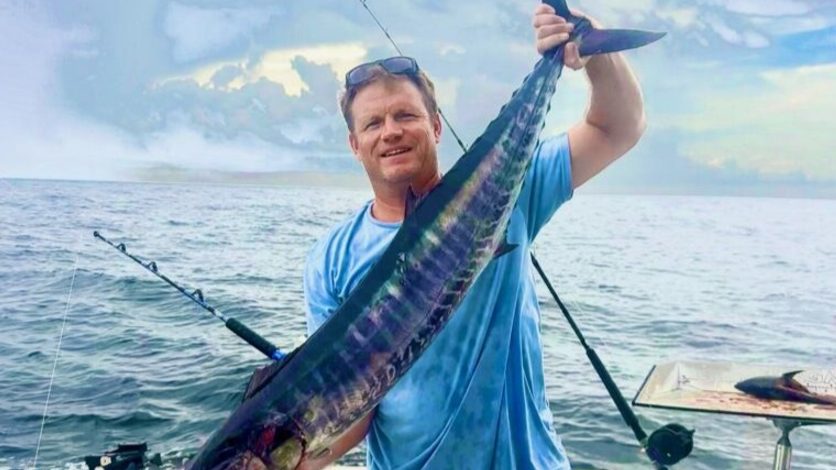
- Private charter fishing Destin, FL


Summary
Join a fishing charter in Fort Walton Beach on Tuesday, April 28 to pursue red snapper and greater amberjack in productive Gulf waters. This offshore fishing charter offers the opportunity to target species that demand skill and technique while exploring one of Florida's premier fishing destinations.
Fishing Charter with Captain Eric Von Zapf - Rates & Booking
Captain Eric Von Zapf of Full Bend Charters offers offshore fishing experiences departing from Fort Walton Beach on Tuesday, April 28. This fishing charter focuses on bottom structure and deep water environments where red snapper and greater amberjack thrive. To book your charter and learn about current rates and availability, contact Full Bend Charters directly for availability and specific package details.
Highlights of Offshore Fishing Adventures
The combination of red snapper and greater amberjack represents a productive day on the water. Red snapper are known for their aggressive strikes and powerful runs, while greater amberjack display similar fighting characteristics with speed and determination. Fort Walton Beach offers access to multiple reef systems and rocky bottom structures that attract these species year-round.
The Gulf environment near Fort Walton Beach provides consistent conditions for pursuing these bottom-dwelling species. The contrast between shallow coastal waters and deeper offshore structure creates diverse habitat zones that support robust populations of both species throughout the fishing season.
Local Species Insights: Red Snapper and Greater Amberjack
Red snapper are ambush predators found along bottom structure, reefs, and rocky ledges in the Gulf of Mexico. These fish display territorial behavior, holding position near their preferred depth zones typically between 40 and 200 feet. Red snapper respond aggressively to live bait and artificial presentations, making them exciting targets for anglers using conventional tackle. Their bright coloring and streamlined bodies reflect adaptation to deeper water environments where light penetration decreases.
Greater amberjack occupy similar depth zones and structure types as red snapper, often competing for the same food sources. These jack species are pursuit predators capable of rapid acceleration, making them challenging opponents on the line. Amberjack typically hunt in small schools or pairs, taking advantage of structure edges where prey congregates. Their body shape and fin placement enable rapid direction changes and sustained runs, characteristics that make them memorable adversaries during a fishing encounter.
The Gulf's bottom structure near Fort Walton Beach creates ideal habitat for both species. Ledges, drop-offs, and artificial reefs concentrate food sources and provide shelter from offshore currents. Understanding seasonal patterns helps optimize fishing success, as both species migrate vertically and horizontally based on water temperature, bait availability, and spawning cycles. Fort Walton Beach's proximity to multiple productive fishing grounds allows flexibility in targeting these species based on daily conditions and seasonal factors.
Fishing technique matters significantly when pursuing these species. Red snapper respond well to vertical jigging presentations near bottom, while greater amberjack often strike faster-moving lures worked along structure edges. Live bait including cigar minnows, mullet, and mackerel appeal to both species' predatory instincts. Experienced anglers vary their presentations throughout the day, adjusting to fish activity levels and environmental conditions. The key to consistent success involves understanding species behavior patterns, respecting seasonal regulations, and executing presentations with precision at productive depth zones.
Fishing in Fort Walton Beach: Greater Amberjack and Red Snapper

Greater Amberjack Overview
The Greater Amberjack (Seriola dumerili) is a prized saltwater game fish belonging to the family Carangidae and order Perciformes. Known for its distinctive bluish-grey coloring and characteristic amber stripe running along its body, this powerful predator is one of the most sought-after species by recreational anglers across North America. With its slender frame, pointed head, and aggressive feeding behavior, the Greater Amberjack stands out in offshore and reef environments as a true test of skill and endurance. This fish is not only popular for its size—reaching up to 6 feet in length—but also for its high-quality meat and significant commercial value. Whether you're fishing off the Gulf of Mexico or exploring the Caribbean, encountering a Greater Amberjack represents an unforgettable offshore adventure.
Greater Amberjack Habitat and Distribution
Greater Amberjack are found along the eastern coast of the United States in the Atlantic Ocean, ranging through the Gulf of Mexico to the Caribbean Sea. These fish thrive in offshore environments, particularly around reefs and wrecks where they hunt smaller fish and invertebrates. The species is native to these waters and has become a cornerstone of both recreational and commercial fisheries throughout the region. Their preference for structure—whether natural reefs or artificial wrecks—makes them relatively predictable targets for experienced anglers who know how to work these habitats effectively.
Greater Amberjack Size and Weight
These impressive fish typically grow between 60 to 75 inches in length, with weights ranging from 40 to 200 pounds. On average, Greater Amberjack reach around 39 pounds, though larger specimens are regularly caught. They can live up to 17 years in the wild, reaching sexual maturity at approximately 4 to 5 years of age. Interestingly, female Greater Amberjack tend to grow larger and live longer than their male counterparts, making them particularly prized catches for trophy-focused anglers.
Greater Amberjack Diet and Behavior
As apex predators in their marine ecosystem, Greater Amberjack are aggressive and opportunistic feeders. Their diet consists primarily of smaller fish and marine invertebrates, including squid, crustaceans, sardines, and bigeye scad. This species is not particularly picky about its prey, which works to the advantage of anglers using a variety of lures and baits. The fish display explosive feeding behavior, particularly when excited or competing for food, which is when the distinctive dark amber stripe on their head becomes even more pronounced. Their position at the top of the marine food chain means they accumulate higher levels of natural toxins, which is worth considering for culinary purposes.
Greater Amberjack Spawning and Seasonal Activity
The Greater Amberjack spawning period occurs from April through May, making spring an exciting time for offshore anglers. During this reproductive season, fish congregate in deeper waters and may be more aggressive as they prepare for spawning events. Understanding this seasonal pattern helps anglers time their trips for optimal encounters with active, feeding fish. The species maintains relative activity throughout the year in offshore and reef environments, though spring and early summer typically offer the best combination of accessibility and aggressive behavior.
Greater Amberjack Techniques for Observation or Capture
Trolling and Drifting: One of the most effective methods for Greater Amberjack involves trolling or drifting over known reef and wreck structures. Anglers use heavy rods and reels with lines testing 50 pounds or more, equipped with metal jigs, spoons, or plugs. This technique allows you to cover water systematically and present lures at the right depth where these fish patrol. Around popular offshore destinations along the Gulf Coast, guides often recommend drifting with live baitfish—particularly sardines or other small fish—which consistently produce results due to the species' predatory nature.
Casting and Light Tackle: Experienced anglers can achieve success with lighter spinning and baitcasting rigs, and even fly rods in certain conditions. Jigs, poppers, and fly streamers work exceptionally well when casting around wreck structures or reef formations. This method requires precision and patience but offers the added excitement of sight-casting and feeling direct strikes through lighter tackle. The key is accurate placement near structure combined with aggressive retrieves that trigger competitive feeding responses.
Live Baitfish Presentation: Whether using heavy or light tackle, presenting live baitfish—particularly larger specimens—remains one of the most reliable techniques for targeting Greater Amberjack. Live fish appeal to their predatory instincts and often outperform artificial lures, especially when fishing deeper wreck environments where the fish may be less reactive to visual stimuli. Slow presentations that allow the baitfish to move naturally often result in explosive strikes.
Greater Amberjack Culinary and Utilization Notes
Greater Amberjack is greatly prized for its high-quality meat and represents one of the most commercially important species around the Mediterranean, and in North and South America. The flesh is firm, mild, and versatile for cooking, making it popular in both recreational and commercial markets. However, potential anglers should be aware that as an apex predator, Greater Amberjack can accumulate ciguatera toxins, particularly in larger specimens from tropical waters. This doesn't prevent consumption, but it's worth researching specific locations and considering fish size when deciding whether to keep your catch for culinary purposes. Many anglers practice catch-and-release to preserve populations while still enjoying the thrill of the fight.
Greater Amberjack Frequently Asked Questions
Q: What is the best bait for catching Greater Amberjack?
A: Live baitfish such as sardines, bigeye scad, and other small fish are highly effective, particularly when using heavy tackle in deeper water. Metal jigs, spoons, and large plugs also work well for anglers who prefer artificial lures. The key is matching the size and presentation to the fishing conditions—what works on a shallow reef may differ from what succeeds over a deep wreck.
Q: Where can I find Greater Amberjack fishing opportunities in the Gulf of Mexico?
A: Greater Amberjack are abundant throughout the Gulf of Mexico, particularly around established offshore reefs and wreck structures. Popular destinations include areas off the Florida panhandle, Louisiana coast, and throughout the Caribbean. Charter services and local fishing guides can direct you to productive locations based on current conditions and seasonal patterns.
Q: Is Greater Amberjack good to eat?
A: Yes, Greater Amberjack has high-quality, firm white meat that is excellent for grilling, baking, or pan-searing. However, larger fish from tropical waters may carry ciguatera toxins, so it's advisable to research your specific fishing location and consider the size of your catch. Many anglers enjoy the culinary aspect, while others practice catch-and-release for conservation and the pure sport of fishing.
Q: When is the best time to catch Greater Amberjack?
A: While Greater Amberjack are available year-round in offshore and reef environments, spring (April through May) is particularly productive as they prepare for their spawning season and display aggressive feeding behavior. Summer and early fall also offer excellent opportunities, with the species remaining active as long as water temperatures remain stable and reef structures provide adequate hunting grounds.
Q: What tackle should I use for Greater Amberjack?
A: Heavy tackle with 50-pound test or higher is standard, especially for offshore wreck fishing where larger specimens and snag hazards are common. However, experienced anglers can succeed with lighter spinning or even fly tackle in shallower reef environments. The choice depends on your skill level, the specific fishing location, and whether you're targeting trophy-size fish or simply seeking an active, exciting experience.
Q: How long do Greater Amberjack live, and when do they mature?
A: Greater Amberjack can live up to 17 years in the wild, reaching sexual maturity around 4 to 5 years of age. Females generally grow larger and live longer than males, making them particularly valuable in terms of breeding populations. Understanding their life cycle helps anglers practice responsible catch-and-release, particularly for younger fish that haven't yet contributed to spawning aggregations.
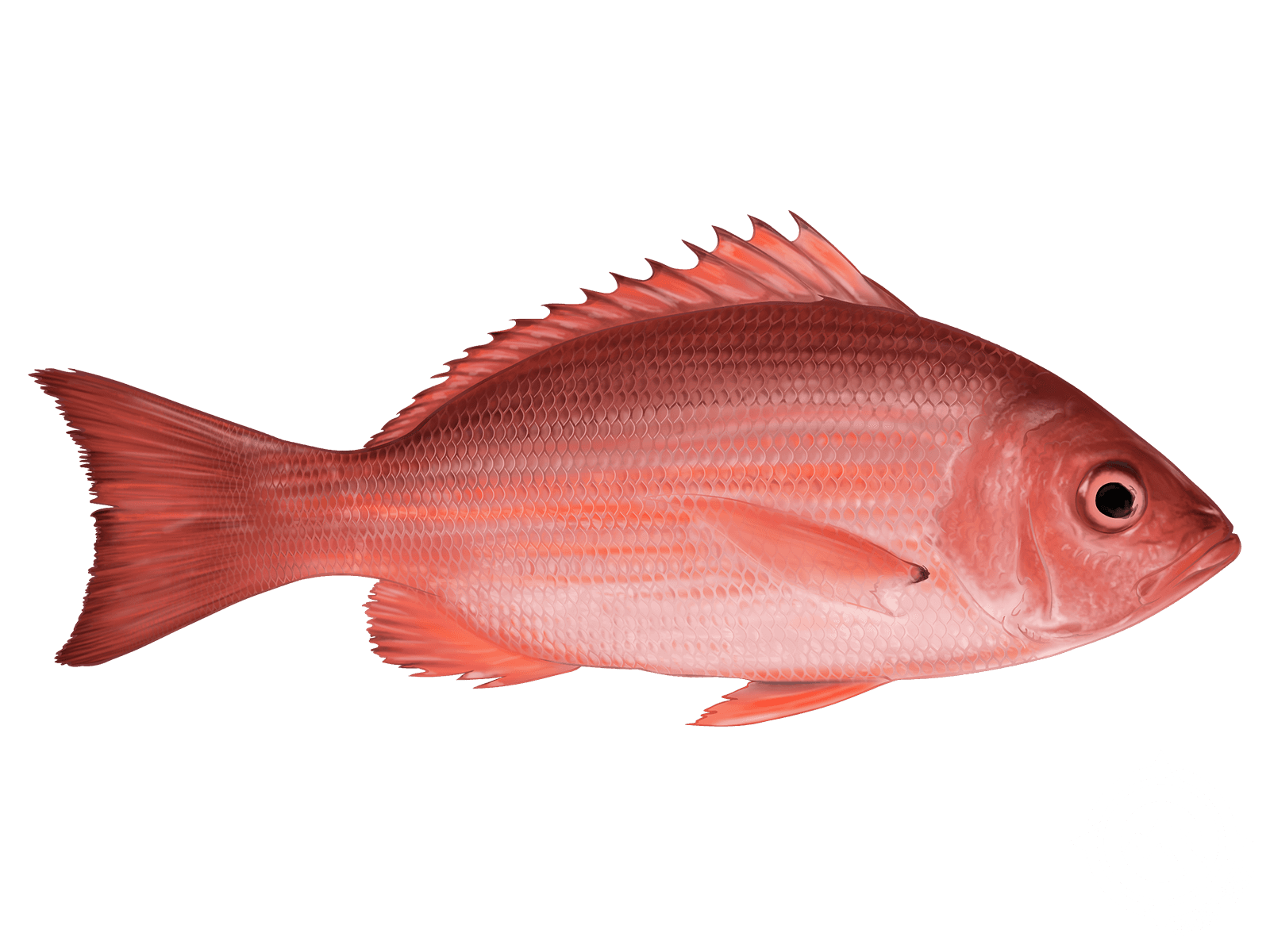
Red Snapper (Lutjanus campechanus) Overview
The Red Snapper, scientifically known as Lutjanus campechanus, belongs to the family Lutjanidae within the order Perciformes. This exceptional gamefish is one of the most sought-after species along the Atlantic coast and throughout the Gulf of Mexico, renowned for its brilliant red coloration, aggressive strike, and exceptional table quality. Red Snapper are true bottom dwellers that transform from pale pink juveniles into deep crimson adults, earning their reputation as trophy catches for both recreational anglers and commercial fisheries. Whether you're planning a fishing adventure in the Gulf of Mexico or exploring coastal waters, understanding this remarkable species will enhance your experience on the water.
Red Snapper Habitat and Distribution
Red Snapper thrive in the deep waters of the Atlantic coast and Gulf of Mexico, typically found at depths ranging from 30 to 620 feet. These fish prefer water temperatures between 50 and 70 degrees Fahrenheit, making them most active during moderate seasonal conditions. Juveniles inhabit shallower inshore areas with muddy bottoms, gradually migrating to deeper waters near structure as they mature. Adult Red Snapper are predominantly found near artificial and natural structures including reefs, wrecks, rocky outcroppings, and debris fields that provide shelter and concentrate forage fish. The Gulf of Mexico remains the primary hotspot for Red Snapper populations, with substantial populations extending down the eastern seaboard. Areas around Louisiana, Texas, and Florida's Gulf coast are particularly productive for encountering these fish.
Red Snapper Size and Weight
Red Snapper demonstrate impressive growth potential, with typical specimens caught by anglers ranging from 19 to 39 inches in length and weighing between 5 to 20 pounds on average. However, these fish can grow considerably larger under optimal conditions, with documented specimens exceeding 3 feet in length and weighing over 35 pounds. The world record Red Snapper weighed an astounding 50 pounds 4 ounces, a legendary catch landed off Louisiana waters in 1966. Most Red Snapper encountered in modern fisheries are between 4 to 6 years old, reflecting current population dynamics and regulatory management. These fish possess remarkable longevity, with lifespans exceeding 20 years, allowing mature individuals to reach exceptional sizes and weights.
Red Snapper Diet and Behavior
Red Snapper are carnivorous bottom feeders with a diverse diet consisting primarily of smaller fish and crustaceans. Their preferred prey includes cigar minnows, pinfish, pigfish, live squid, shrimp, and octopus, reflecting their opportunistic feeding strategy in deep-water environments. These aggressive hunters are most active during dawn and dusk periods, though they feed throughout daylight hours, particularly during slack tide periods when visibility and feeding conditions are optimal. Red Snapper exhibit strong territorial behavior, remaining in proximity to structure and cover where they ambush passing prey. Their reputation as fierce fighters stems from their powerful strikes and determined runs toward nearby cover—a characteristic that makes them exhilarating opponents for anglers. When hooked, Red Snapper will aggressively attempt to reach nearby structure, making rod strength and sharp hooks essential for successful encounters.
Red Snapper Spawning and Seasonal Activity
Red Snapper reach sexual maturity around 5 to 8 years of age, with larger, older females producing substantially greater numbers of eggs than their younger counterparts. A single 24-inch female can produce as many eggs as 212 seventeen-inch females, making size-selective reproduction a critical management consideration. The spawning season extends from May through October, with peak activity occurring during warmer months when water temperatures optimize reproductive success. Fertilized eggs drift to the surface and hatch within approximately one day, with larvae remaining in the planktonic water column before settling into shallow nursery habitats after about one month. As juvenile Red Snapper grow, they gradually migrate to deeper waters where they eventually establish residence near structure in the deep Gulf. This life history transition from shallow nurseries to deep offshore habitats reflects the species' adaptation to distinct environmental zones throughout their development.
Red Snapper Techniques for Observation and Capture
Bottom Fishing with Heavy Rigs: The most effective method for catching Red Snapper involves deploying heavy multi-hook rigs dressed with weights substantial enough to maintain bottom contact in deep water. Electric reels, manual reels, and handlines all prove effective when rigged properly. Bait your hooks with live pinfish, cigar minnows, fresh squid, or live shrimp, then lower your presentation to the bottom where Red Snapper congregate. The key to success lies in keeping your bait at or near bottom structure where these fish feed. Around the Gulf of Mexico's major fishing ports, charter captains utilize GPS and sonar to locate wreck structures and reef systems, deploying rigs precisely over productive bottom. Expect powerful strikes and immediate runs toward cover—maintain steady upward pressure to prevent your line from cutting on structure.
Fly Fishing for Surface-Active Fish: When Red Snapper move shallow or feed near the surface, fly fishing presents an exciting and productive alternative to traditional bottom techniques. Rig an 11 to 13-weight fly line with Clouser minnow or deceiver patterns that mimic local forage species. Some anglers employ chum slicks to concentrate Red Snapper before casting, then strip flies with erratic, natural-looking retrieve patterns. Present your fly to rising fish and work it back toward deeper water with consistent stripping action—Red Snapper will aggressively attack moving flies that resemble fleeing prey species. This technique works particularly well during early morning hours and slack tides when Red Snapper move into shallower water.
Targeting Structure and Seasonal Timing: Success with Red Snapper depends heavily on identifying productive structure and timing your fishing efforts around seasonal patterns. Focus on natural and artificial reefs, shipwrecks, rock formations, and other bottom features that hold concentrated populations. Spring and early summer, when water temperatures warm and spawning activity increases, represent prime fishing seasons. Target dawn and dusk periods when feeding intensity peaks, and plan your trips around slack tide periods when Red Snapper feed most aggressively.
Red Snapper Culinary and Nutritional Value
Red Snapper ranks among the most prized culinary fish, commanding premium prices in seafood markets and restaurants throughout the nation. The flesh features a mild, slightly nutty flavor profile with firm texture that holds up exceptionally well to various cooking methods. Whether baked, pan-fried, grilled, or steamed, Red Snapper delivers outstanding eating experiences that have made it an enduring favorite among seafood enthusiasts. To fully appreciate the delicate natural flavors, many chefs recommend minimal seasoning—simple preparations featuring salt, pepper, and fresh lemon juice allow the fish's inherent qualities to shine. Beyond culinary appeal, Red Snapper offers impressive nutritional benefits, serving as an excellent source of omega-3 fatty acids essential for cardiovascular and cognitive health. The fish is naturally low in calories, high in complete protein, and contains minimal saturated fat, making it an ideal choice for health-conscious diners. Red Snapper provides abundant B12 and vitamin D, along with important minerals including iron and potassium. Regular consumption supports heart health, enhances brain function, boosts immune response, and promotes healthy skin and hair development.
Red Snapper Frequently Asked Questions
Q: What is the best bait for catching Red Snapper?
A: Live pinfish and cigar minnows consistently outperform other bait options, particularly for larger specimens. Fresh squid, live shrimp, pigfish, and octopus also produce excellent results. The key lies in presenting fresh, lively bait on heavy rigs that reach bottom structure where Red Snapper feed. Experiment with combinations to determine what works best in your specific fishing location.
Q: Where can I find Red Snapper fishing opportunities in the Gulf of Mexico?
A: Major fishing ports throughout Louisiana, Texas, and Florida's Gulf coast provide excellent access to Red Snapper populations. Charter services in these areas operate specialized trips targeting deep-water structure. Public fishing piers in coastal communities occasionally offer opportunities during peak seasons, though private boat access typically provides superior fishing success.
Q: Is Red Snapper good to eat?
A: Absolutely—Red Snapper is exceptional table fare featuring mild, slightly nutty flavor and firm white flesh. The fish is highly nutritious, rich in omega-3 fatty acids, and works beautifully with various cooking methods. Most culinary experts recommend simple preparations that highlight natural flavors rather than heavy seasoning.
Q: When is the best time to catch Red Snapper?
A: The spawning season from May through October represents peak activity periods, with summer months typically offering the most consistent fishing. Within each day, dawn and dusk periods produce the most aggressive feeding activity. Slack tides create optimal feeding conditions regardless of season.
Q: How deep do I need to fish for Red Snapper?
A: Red Snapper inhabit depths ranging from 30 to 620 feet, though most productive fishing occurs between 60 and 300 feet. Always check current regulations and use GPS/sonar to identify structure at appropriate depths for your specific fishing area.
Q: What equipment do I need for Red Snapper fishing?
A: Heavy-duty conventional or electric reels paired with sturdy rods rated for deep-water applications work best. Bring quality multi-hook rigs with substantial weights, sharp hooks in appropriate sizes, and durable line rated for the depths and structure you'll encounter. Experienced anglers recommend having backup tackle and extra rigs to maximize fishing time.