/filters:format(jpeg,png)/fit-in/300x300/guide_websites/122594/images/1777344574312logo.jpg)
/filters:format(jpeg,png)/fit-in/237x80/guide_websites/122594/images/1777344574312logo.jpg)
Blackfin Tuna Fishing Charter in Fort Walton Beach
Blackfin Tuna Fishing in Fort Walton Beach - What to Expect
%2F%2Fusers%2Fd4d883eb-1883-4138-9c4c-e9e73c12427e%2Fimages%2Fblackfin-tuna-fishing-catch-2462.jpg&w=1920&q=75)
Fishing Charter by Captain Eric Von Zapf in April
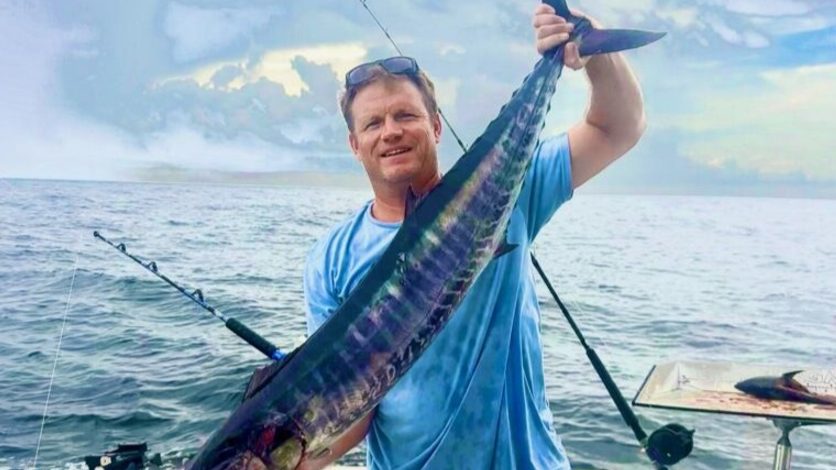
- Private charter fishing Destin, FL


Summary
Join Captain Eric Von Zapf on a fishing charter in Fort Walton Beach to pursue blackfin tuna, a prized offshore species known for explosive runs and powerful strikes. This Sunday in April adventure combines local expertise with proven techniques for an unforgettable day on the water.
Fishing Charter with Captain Eric Von Zapf - Rates & Booking
Captain Eric Von Zapf of Full Bend Charters welcomes anglers to Fort Walton Beach on Sunday, April 12th for an exciting blackfin tuna fishing charter. This experienced captain brings proven offshore expertise and a commitment to putting you on quality fish. Contact Full Bend Charters to book your date and confirm availability for this in-demand spring fishing opportunity.
Highlights of This Fishing Charter
Blackfin tuna represent one of the Gulf's most exciting target species. These aggressive fish hit hard, run fast, and deliver the kind of fight that keeps anglers coming back. Captain Von Zapf's local knowledge of feeding zones, current breaks, and seasonal patterns maximizes your chances of connecting with multiple fish throughout the day. The combination of skilled captaincy and proven fishing grounds makes this charter a standout opportunity.
Fort Walton Beach's offshore waters feature productive structure and baitfish concentration that attracts healthy populations of blackfin tuna. The spring season aligns perfectly with peak feeding activity, when these fish are most aggressive and abundant. You'll experience authentic Gulf fishing with the guidance of someone who understands these waters intimately.
Local Species Insights: Blackfin Tuna
Blackfin tuna are smaller cousins of the yellowfin, typically ranging from 15 to 35 pounds in these waters. Despite their modest size compared to other tuna species, blackfins are pound-for-pound fighters that rarely disappoint. They school in the deeper offshore waters where the Gulf floor transitions from continental shelf to deeper blue water, usually in 500 to 1,200 feet of depth.
These fish are built for speed and endurance. Their streamlined bodies, powerful tail muscles, and superior oxygen processing make them relentless fighters. When a blackfin takes your bait or lure, you'll feel an immediate, characteristic run that can strip line quickly. Captain Von Zapf employs techniques specifically designed for blackfin behavior - understanding their feeding patterns, preferred baits, and the water conditions they favor most.
Blackfins are opportunistic feeders, hunting primarily at dawn and dusk when baitfish move through their zones. They respond to live bait presentations, trolling patterns that mimic wounded baitfish, and properly jigged vertical presentations. The Gulf's spring conditions create ideal windows for blackfin activity, and a skilled captain timing the approach correctly can produce consistent action.
Understanding blackfin habitat means recognizing the importance of proper depth, current flow, and baitfish presence. Fort Walton Beach's offshore structure creates natural funnels where blackfins concentrate. Captain Von Zapf's familiarity with these zones, combined with current and seasonal knowledge, transforms a fishing day into a strategic pursuit rather than random fishing.
Plan Your Fishing Day
A blackfin tuna charter typically involves early water arrival to position for peak feeding windows. Captain Von Zapf will confirm specific timing when you book. Expect to spend your day in productive offshore waters, reading the water, responding to fish activity, and employing the techniques that work best on any given day. Bring sun protection, stay hydrated, and prepare for the physical demands of fighting quality fish. The reward is genuine accomplishment and memorable action that justifies every moment on the water.
Fishing in Fort Walton Beach: Blackfin Tuna
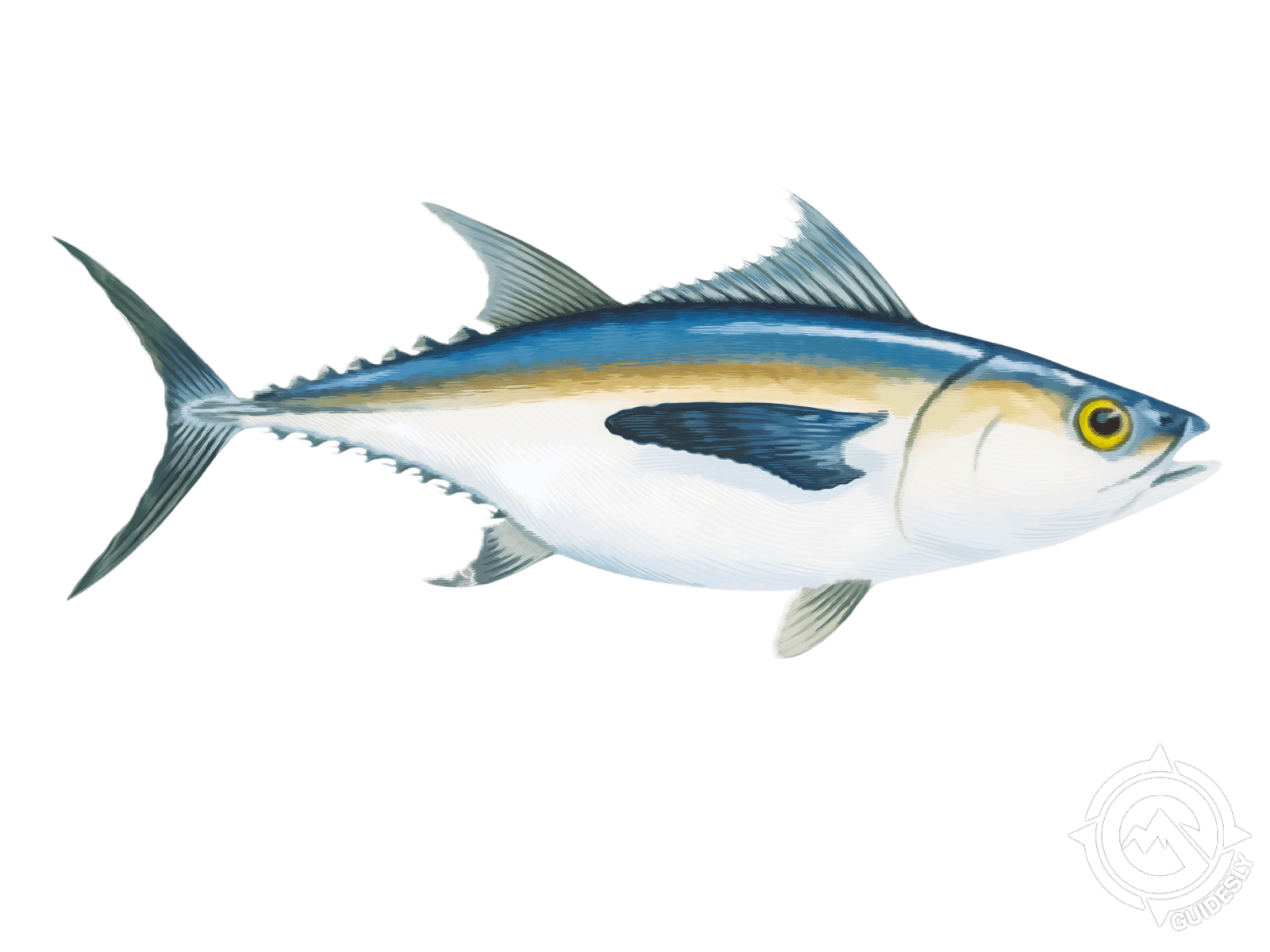
Blackfin Tuna Overview
The Blackfin Tuna (Thunnus atlanticus) is a remarkable member of the Scombridae family within the order Perciformes. Also known as the Deep-Bodied Tunny, Albacore, or Bonite Nore in French, this species represents the smallest tuna in the Thunnus genus, yet punches well above its weight in terms of fighting spirit and culinary value. What makes the Blackfin Tuna truly special is its stunning coloration—a sleek black body adorned with faded yellow finlets, a striking golden lateral band that unfortunately fades upon death, and distinctive bronze reflections on its dorsal finlets. Found predominantly in warm offshore waters from the Gulf of Mexico to the Caribbean Sea and extending to Martha's Vineyard in Massachusetts, this highly migratory species has become a cornerstone of both recreational and commercial fisheries, particularly around the Florida Keys where anglers flock year-round to test their skills against these fierce fighters.
Blackfin Tuna Habitat and Distribution
Blackfin Tuna thrive in warm oceanic waters where temperatures consistently exceed 68°F, making them seasonal visitors to more temperate regions during summer months. The species concentrates heavily in the Gulf of Mexico, Caribbean Sea, and along the continental shelves where they hunt in large schools. In the United States, their range is somewhat limited, with the most reliable populations found along Florida's coast, particularly in the Florida Keys during autumn, winter, and spring when water conditions prove most favorable. These fish typically inhabit areas near the continental shelf break, preferring oceanic waters close enough to the coastline to support their migratory feeding patterns. The migration habits of Blackfin Tuna make them predictable quarries for experienced anglers who understand seasonal movements and water temperature preferences.
Blackfin Tuna Size and Weight
While individual Blackfin Tuna can reach impressive sizes for their species, they typically grow to lengths between 7 and 43 inches, with weights generally ranging from 2 to 20 pounds. However, larger specimens have been documented reaching up to 39 inches and weighing as much as 46 pounds, making trophy catches relatively attainable for dedicated anglers. What's particularly interesting about this species is its rapid growth rate—a five-year-old Blackfin Tuna is already considered old, underscoring the species' accelerated life cycle compared to larger tuna varieties. The average fish encountered by recreational anglers typically falls in the 15 to 30-pound range, offering manageable yet exciting battles on medium to light tackle. This size range makes them particularly appealing to visiting anglers who want the thrill of tuna fishing without requiring heavy-duty offshore equipment.
Blackfin Tuna Diet and Behavior
Blackfin Tuna are aggressive predators with remarkably diverse diets that reflect their adaptability to offshore environments. These fish feast primarily on small fish and squid, but they also readily consume larvae of decapods, stomatopods, and amphipods, along with crustaceans such as crabs and shrimp. Their cannibalistic tendencies suggest a fierce competitive nature within schools, and they themselves fall prey to larger species including Skipjack Tuna, Blue Marlin, and Dolphinfish. What's particularly noteworthy is their exceptional eyesight, which means they can spot both prey and potential threats from considerable distances. This keen vision directly influences fishing techniques and tackle choices—anglers must scale down leaders and hooks to avoid detection. Behaviorally, Blackfin Tuna are highly social fish that create massive schools, often mixed with Skipjack Tuna, and maintain constant movement in search of food. Their migratory patterns follow seasonal water temperature changes, with fish moving toward warmer equatorial waters during winter months and pushing northward as summer approaches.
Blackfin Tuna Spawning and Seasonal Activity
The seasonal activity patterns of Blackfin Tuna create distinct windows of opportunity for anglers throughout their range. These fish reach peak abundance in the Florida Keys during autumn, winter, and spring months when water temperatures stabilize in their preferred range. Summer brings migration to more temperate waters, with specimens appearing as far north as Martha's Vineyard in Massachusetts during the warmest months. While specific spawning details for Blackfin Tuna remain less documented than for larger tuna species, their rapid growth and short lifespan suggest concentrated reproductive periods, likely aligned with their migration cycles. Understanding these seasonal shifts proves crucial for planning fishing expeditions—spring and fall offer particularly productive windows when concentrations peak before seasonal migrations disperse populations. The migratory nature of the species also means that local populations fluctuate predictably throughout the year, with summer months offering opportunities in northern waters and winter months concentrating fish in southern reaches.
Blackfin Tuna Techniques for Observation and Capture
Trolling and Drift Fishing: Among the most effective methods for targeting Blackfin Tuna, trolling with small lures or feathered jigs can produce explosive strikes. Position your vessel along the continental shelf break where baitfish congregate, maintaining speeds between 6 and 10 knots. Drift fishing in areas with visible baitfish activity also proves highly productive, allowing you to cover water while presenting natural prey patterns. Around the Florida Keys and offshore banks, morning hours typically produce the fastest action, with fish responding aggressively during low-light periods.
Vertical Jigging and Chunking: According to seasoned offshore anglers, vertical jigging represents perhaps the most effective technique for consistently catching Blackfin Tuna, particularly when fishing deep structure or continental shelf edges. Drop metal jigs (3 to 6 ounces) to appropriate depths and work them with sharp, aggressive strokes. Chunking—distributing cut baitfish to establish a slick—complements jigging beautifully by attracting fish to your location. Use live pilchards as chum to draw feeding fish closer to your boat, then entice them with appropriately sized baits or jigs. Position your vessel upcurrent to allow the scent trail to flow naturally toward feeding zones.
Light Tackle Presentation with Live Bait: Deploying live baitfish on appropriately scaled tackle creates exciting opportunities for active Blackfin Tuna. Use 5/0 to 6/0 circle hooks paired with #30 fluorocarbon leaders to minimize visibility to these sharp-eyed predators. Live mullet, mackerel, or pilchards presented on spinning or conventional light tackle often produce strikes from opportunistic fish. Cast near visible baitfish schools or structure, allowing live baits to work naturally while maintaining light contact with your line.
Blackfin Tuna Culinary and Utilization Notes
The Blackfin Tuna has earned an excellent reputation in culinary circles, with flesh prized for its superior taste and firm texture. Commercially, these fish are typically marketed fresh immediately after harvest, then processed and canned for broader distribution. The meat ranges from pink to deep red depending on diet and individual fish condition, and it remains excellent for grilling, searing, and poke preparations. Nutritionally, Blackfin Tuna provides abundant protein, omega-3 fatty acids, and essential minerals, making it a healthy protein choice. Unlike some larger tuna species, Blackfin Tuna have not appeared on Greenpeace International's seafood red list, making them a more sustainable seafood choice compared to certain other commercial tuna varieties. For recreational anglers, the opportunity to catch and consume fresh Blackfin Tuna represents a genuine treat—few culinary experiences rival freshly caught tuna prepared within hours of landing.
Blackfin Tuna Frequently Asked Questions
Q: What is the best bait and tackle setup for catching Blackfin Tuna?
A: Circle hooks in 5/0 to 6/0 sizes paired with #30 fluorocarbon leaders prove optimal, as Blackfin Tuna possess exceptional eyesight and can detect heavier, more visible gear. Live pilchards, mullet, or mackerel work wonderfully as live baits, while cut mackerel or bonito effectively chunks for chum lines. Light to medium conventional or spinning reels handle these fish well, with 20 to 30-pound braid providing adequate power and sensitivity.
Q: Where can I find Blackfin Tuna near the Florida Keys?
A: The continental shelf breaks and offshore banks surrounding the Florida Keys hold consistent populations, particularly during autumn, winter, and spring. Areas like the Tortugas, the Marquesas, and offshore structure between Key West and Dry Tortugas produce reliable action. Local charter captains can guide you to current hotspots, as conditions and fish movements shift seasonally and based on water temperature and baitfish availability.
Q: When is the best time to catch Blackfin Tuna?
A: Peak seasons occur during autumn, winter, and spring in southern waters like the Florida Keys, while summer months extend opportunities northward to Martha's Vineyard in Massachusetts. Within any given day, early morning and late afternoon hours typically produce the most aggressive feeding activity, particularly during low-light periods when these visual predators hunt most effectively.
Q: Is Blackfin Tuna good to eat?
A: Absolutely—Blackfin Tuna ranks among the finest eating tuna species available to recreational anglers. The flesh is firm, flavorful, and superbly tasty whether grilled fresh, used for sashimi, or prepared in poke preparations. The excellent odds for food quality make this species a worthwhile target not just for the fight, but for the culinary reward upon landing.
Q: How do I locate Blackfin Tuna without a fish finder?
A: Look for visible baitfish schools, diving seabirds, and surface activity along continental shelf edges and structure. Blackfin Tuna often feed aggressively on baitfish at the surface, creating visible splashes and commotion. Troll or drift through areas where baitfish appear concentrated, watching for predatory activity. Early morning light provides the best visibility for spotting feeding fish.
Q: What parasites affect Blackfin Tuna and does this impact eating quality?
A: While Blackfin Tuna can host copepods, gillworms, tapeworms, and flukes like many marine fish, proper filleting and cooking techniques eliminate parasitic concerns. Thorough cleaning, removing viscera and gills immediately after capture, and cooking fish to appropriate temperatures ensures food safety. Commercially processed fish undergo additional inspection and processing standards that further reduce any parasitic risk.